
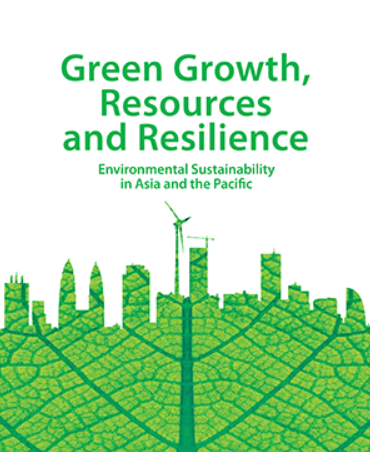
Why a Green Growth Partnership in Asia Matters to All of Us
Let’s be honest: when we talk about climate action, the conversation often centers on the West, but the real game-changer for our planet’s future is unfolding in Asia. The decisions made and the paths taken across the vast and dynamic Asian continent will fundamentally shape the global environment, economy, and our collective security. For Canadians watching from across the Pacific, understanding and engaging with this shift isn’t just an act of global citizenship—it’s a strategic imperative for our own prosperity and well-being.
The Asian Century Needs a Green Blueprint
Asia is home to over half the world’s population and is the undeniable engine of global economic growth. Yet, this phenomenal progress comes with immense environmental pressure. The region is urbanizing at an unprecedented rate, building new cities and industries that will define its—and our—ecological footprint for decades. Without a coordinated, regional strategy for green growth, this development trajectory risks locking in unsustainable practices that the planet cannot afford.
The Scale of the Challenge
The numbers are staggering. According to the International Energy Agency, the Asia-Pacific region is projected to account for over 50% of global energy consumption growth by 2030. The Asian Development Bank estimates that the region needs to invest $1.7 trillion annually in climate-resilient infrastructure just to maintain its growth momentum and meet its climate goals. This isn’t a local issue; it’s a global one, demanding a response that matches its magnitude.
Beyond Borders: Why Silos Don’t Work
Environmental challenges like air pollution, transboundary river management, and biodiversity loss do not respect national borders. A coal plant in one country affects air quality in another; deforestation in one watershed impacts agricultural yields downstream. A piecemeal, country-by-country approach is insufficient. What’s needed is a true partnership framework that fosters regional cooperation, aligns policies, and enables shared solutions to these interconnected problems.
What a True Green Growth Partnership Actually Does
A green growth partnership is more than a feel-good slogan. It’s a functional engine for change, combining resources, knowledge, and political will to accelerate the transition. It moves from isolated projects to systemic transformation by focusing on three critical pillars.
Financing the Transition
The capital required is far beyond what any single government can provide. Effective partnerships unlock blended finance, de-risking investments to attract private capital. A prime example is the ASEAN Catalytic Green Finance Facility, supported by multiple partners including the ADB and the EU, which aims to mobilize billions for green infrastructure in Southeast Asia. This model proves that strategic public funding can catalyze the massive private investment needed.
Sharing Knowledge & Technology
Innovation is happening everywhere, but it needs to be shared. Partnerships like the Asia LEDS (Low Emission Development Strategies) Partnership create vital platforms for governments to exchange best practices on renewable energy grids, industrial decarbonization, and sustainable urban planning. This peer-to-peer learning accelerates adoption and prevents redundant efforts, ensuring proven solutions can scale rapidly.
Building Policy Coherence
For markets to shift, the rules of the game must encourage green investment. Partnerships work to align standards, regulations, and incentives across borders. This reduces complexity for businesses and creates larger, more attractive markets for sustainable goods and services, driving down costs through economies of scale.
Why This Matters Directly to Canadians
It’s easy to view Asia’s environmental journey as a distant concern. That’s a dangerous misconception. Canada’s prosperity, security, and environmental health are inextricably linked to Asia’s trajectory through deeply intertwined systems.
Economic Links & Shared Markets
Canada’s economy is deeply connected to Asia through trade and shared supply chains. Our agricultural exports feed the region, and our resource sectors are integrated into its manufacturing. Crucially, there is a burgeoning market for Canadian clean technology. For instance, Canadian companies like Ballard Power Systems are already providing fuel cell technology for buses in Asian markets like China. A greener Asia means a larger, more stable market for Canadian innovation in areas like smart grids, water treatment, and sustainable agriculture.
Environmental Security & Global Climate Goals
Climate change is borderless. Emissions from anywhere affect the Canadian Arctic, our forests, and our coastlines. Asia’s success or failure in curbing emissions directly impacts our ability to meet Paris Agreement targets. Furthermore, climate-induced instability—such as food and water scarcity or displacement—can have ripple effects on global security and humanitarian systems in which Canada is a major stakeholder. Our environmental security is a shared proposition.
The Stakes: Success vs. Business-as-Usual
The fork in the road is clear. The outcome of Asia’s green transition will define the quality of life for billions and set the course for global stability.
The Opportunity for Canadian Leadership
Success means a world with cleaner air, more stable global food systems, and vibrant new markets for sustainable goods and services. Canada has tangible expertise to offer. For example, British Columbia’s forestry management practices are often studied as a model for sustainable forestry in regions like Indonesia and Malaysia. By actively partnering, we can export not just resources, but knowledge and systems, positioning Canada as a leader in the green economy.
The Cost of Inaction
The business-as-usual path leads to exacerbated climate disasters, from intensified typhoons to prolonged droughts, that strain global humanitarian responses and destabilize the very trade networks our prosperity relies on. It means a more volatile, more insecure, and economically costly world for everyone, including Canadians. The price of disengagement is far higher than the cost of collaboration.
How Our Team Sees the Path Forward
We believe the next phase requires moving beyond traditional donor-recipient models to genuine, two-way collaboration. It’s about leveraging complementary strengths for mutual benefit.
From Aid to Collaborative Investment
The goal is to create partnerships of equals focused on joint investment and innovation. This means co-developing projects, sharing intellectual property, and building long-term commercial relationships. Initiatives like the Global Arrangement on Sustainable Steel and Aluminum, which Canada and Japan co-chair, show the way—creating green trade standards that level the playing field and drive clean production globally, directly impacting Asian markets.
Leveraging Canadian Strengths
Canada can play a unique role by connecting its niche expertise with Asia’s scale and dynamism. Our strategy should focus on key areas of alignment:
- Clean Energy Integration: Pairing Canadian expertise in hydro, grid management, and small modular reactors with Asia’s massive manufacturing capacity for renewable components.
- Sustainable Resource Management: Sharing proven models in forestry, mining reclamation, and circular economy practices.
- Green Finance: Leveraging Canada’s robust financial sector to help structure and fund green infrastructure projects through instruments like green bonds.
Frequently Asked Questions
What is a “green growth partnership” in simple terms?
It’s a formal collaboration between countries, institutions, and sometimes businesses, focused on achieving economic development while protecting the environment. Instead of working alone, partners pool money, share knowledge, and align policies to make sustainable projects bigger, cheaper, and more effective than any single actor could achieve.
Why should Canada invest time and resources in Asia’s environmental issues?
Because Asia’s environmental path is Canada’s business. Our economies are linked through trade, our climate is affected by Asia’s emissions, and our security is impacted by climate instability in the region. Investing in a green Asia is a direct investment in a more stable, prosperous, and sustainable future for Canadians.
Are there any successful examples of such partnerships already?
Absolutely. Beyond the ASEAN Catalytic Green Finance Facility, there are many. The Asia-Pacific Economic Cooperation (APEC) forum has working groups on green growth. The Global Green Growth Institute, founded in Seoul, works with multiple Asian governments. These existing platforms show the model works and needs to be scaled up dramatically.
How can Canadian businesses get involved?
Businesses can engage by seeking opportunities within partnership-funded projects, forming joint ventures with Asian firms in cleantech, or aligning their supply chains with emerging green standards from partnerships like the one on sustainable steel. The first step is to view Asian green growth not as a distant trend, but as a proximate market opportunity.
What’s the biggest obstacle to making these partnerships work?
The biggest challenge is often moving from commitment to implementation. This requires overcoming bureaucratic silos, ensuring transparency in fund management, and persistently aligning the short-term interests of private investors with long-term sustainability goals. Strong governance and continuous dialogue are key.
Ultimately, supporting a robust green growth partnership in Asia isn’t just about helping a region; it’s a strategic, necessary investment in our own collective future on this planet. The opportunity for leadership, for meaningful impact, and for shared prosperity is on the table. The question is whether we will seize it together.