
Your Beginner’s Guide to Green Growth Partnerships in Asia
If you’ve heard the term ‘green growth partnership Asia’ and wondered what it really means for the planet and your organization, you’re in the right place. As a partnership organisation dedicated to this very topic, we often see the phrase used, but its practical impact can seem distant. In reality, these partnerships are dynamic engines for change, directly linking global sustainability goals with on-the-ground action in the world’s most populous and economically vibrant continent. This guide will demystify the concept, showcase its importance, and provide a clear path for how you, especially from a Canadian perspective, can understand and engage with this critical movement.
What Is a Green Growth Partnership in Asia?
A green growth partnership in Asia is a collaborative model designed to decouple economic development from environmental degradation. It’s a formal alliance between diverse actors—governments, multilateral banks, private sector companies, NGOs, and local communities—aligned around projects that foster both prosperity and planetary health. Rather than working in silos, these partners pool resources, share risks, and combine expertise to tackle large-scale sustainability challenges. A key architect of these frameworks in the region is the Asian Development Bank (ADB), which has been instrumental in pioneering financing mechanisms and policy dialogues that make such collaborations possible and effective.
The Core Principles: Growth, Sustainability, and Equity
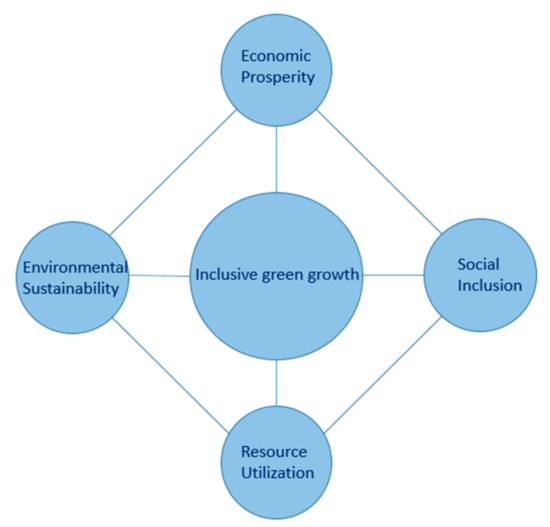
At their heart, successful partnerships are built on three non-negotiable pillars. First is growth: generating jobs, improving infrastructure, and boosting economic output. Second is sustainability: ensuring this growth conserves natural resources, reduces pollution, and builds climate resilience. Third, and crucially, is equity: ensuring the benefits are widely shared and that vulnerable communities are not left behind, but are active participants in the transition.
Key Players: From Governments to Local Communities
The ecosystem of a green growth partnership is multi-layered. It typically involves:
- Multilateral Institutions: Entities like the ADB and the World Bank provide funding, risk guarantees, and technical expertise.
- National & Local Governments: They set policy, regulatory frameworks, and often co-finance projects.
- Private Sector: Businesses, from multinational corporations to local SMEs, bring innovation, investment, and operational efficiency.
- Civil Society & Communities: NGOs and community groups ensure projects are socially inclusive and grounded in local needs.
Why Are These Partnerships So Important Now?
Asia stands at a crossroads of unprecedented economic growth and severe environmental pressure. This duality makes collaborative action not just beneficial but essential for meeting global climate commitments. For Canadian organizations, this is directly relevant. Our supply chains are deeply interwoven with Asia; the sustainability of products and materials sourced from there impacts our own environmental footprint and corporate responsibilities. Engaging in these partnerships is a proactive way to future-proof global value chains.
Tackling Climate Change and Biodiversity Loss
Asia is home to some of the world’s most significant carbon sinks and biodiversity hotspots, yet also faces extreme vulnerability to climate impacts. Partnerships channel collective action towards protecting these vital ecosystems while supporting low-carbon development pathways, from renewable energy to climate-smart agriculture.
Creating Sustainable Markets and Supply Chains
These collaborations help build the markets for green goods and services. By de-risking investments in clean technology and sustainable practices, they make it commercially viable for businesses to adopt greener models. This transforms entire supply chains—from sustainable forestry in Southeast Asia, where Canada’s own expertise is highly relevant, to ethical mineral sourcing—creating reliable and responsible pipelines for global buyers.
How to Find the Best Green Growth Partnership
If you’re looking to buy into or support a green growth partnership in Asia, due diligence is key. The “best” partnership isn’t just about the lowest cost; it’s about alignment, integrity, and lasting impact. Reviews and testimonials from other partners are a good start, but a deeper assessment is needed.
Questions to Ask: Due Diligence for Partners
- What is the partnership’s track record? Can they point to completed projects with verified outcomes?
- How transparent are they with reporting on financials, environmental impact, and social benefits?
- How deeply are local communities involved in the project’s design and execution?
- How clearly does the partnership’s work align with specific UN Sustainable Development Goals (SDGs)?
- What is the governance structure? Is there a clear mechanism for partner input and conflict resolution?
Looking Beyond ‘Price’: Assessing Long-Term Value
The initial ‘price’ or investment is just one factor. Consider the long-term value: risk mitigation, market access, brand reputation enhancement, and the strategic learning that comes from working in a high-growth, innovation-driven region. A partnership that offers robust measurement and verification of its impact often provides greater overall value than one with a slightly lower entry cost but opaque results.
What Success Looks Like: Real-World Examples
Concrete examples show the powerful potential of these collaborations. They move the concept from theory to tangible results, demonstrating how diverse partners achieve shared goals.
Case Study: Renewable Energy Transitions
Partnerships are accelerating Asia’s shift away from coal. For instance, the ASEAN Catalytic Green Finance Facility (ACGF), a partnership involving the ADB and ASEAN member states, has mobilized billions of dollars for green infrastructure, including large-scale solar and wind farms. These projects provide clean power, create jobs, and reduce emissions on a national scale, showcasing the multiplier effect of pooled public and private finance.
Case Study: Sustainable Urban Development
Asia’s rapid urbanization demands sustainable solutions. Green growth partnerships are financing and building eco-cities, efficient public transport, and green buildings. Here, Canadian innovation is already playing a role. Clean-tech company CarbonCure, for example, has its technology deployed in projects across Asia, where it permanently sequesters CO2 in concrete, reducing the carbon footprint of the region’s massive construction boom.
Getting Involved: A Path for Canadian Organizations
Canadian organizations—whether businesses, investors, non-profits, or research institutions—have unique strengths to contribute. Engaging with a green growth partnership in Asia is a strategic move that aligns with Canada’s global sustainability commitments and opens doors to new opportunities.
Leveraging Canadian Expertise in Green Tech
Canada is a leader in areas like clean energy, sustainable forestry management, water purification, and green building materials. Companies can partner as technology providers or joint-venture partners. Investors can channel capital; for example, Vancouver-based Vancity credit union has invested in international green bonds that support sustainable projects, including those in Asia.
Building Bridges Through International Networks
Practical first steps include joining international sustainability networks, attending forums hosted by organizations like the ADB, and connecting with Trade Commissioner Services in Canada to explore matchmaking opportunities. Starting with knowledge-sharing or a pilot project can build the trust and understanding needed for larger, long-term commitments.
FAQ
What does a green growth partnership in Asia typically cost?
There’s no single “price.” Investment ranges from knowledge-sharing and in-kind contributions to multi-million-dollar financial commitments. The cost depends entirely on your role (e.g., funder, tech provider, implementation partner) and the scale of the specific project or initiative.
Are these partnerships only for large corporations?
Absolutely not. While large firms play a key role, SMEs with niche technologies, NGOs with specialized community expertise, academic institutions, and even individual impact investors can find avenues for engagement, often through larger consortiums or facilitated platforms.
How do I verify the credibility of a green growth partnership?
Look for third-party audits, impact reports aligned with global standards (like GRI or IRIS), and affiliations with reputable multilateral institutions. Directly contacting past partner organizations for their reviews and experiences is also highly recommended.
What are the biggest risks, and how are they managed?
Risks include political instability, currency fluctuation, and project execution challenges. Reputable partnerships mitigate these through structured risk-sharing agreements (often involving development banks), local partner engagement, and thorough feasibility studies conducted during the due diligence phase.
Can Canadian non-profits participate, not just businesses?
Yes. Canadian NGOs and research institutions are valuable partners for their expertise in community engagement, environmental science, and policy development. Many partnerships actively seek civil society involvement to ensure projects are socially inclusive and grounded in local context.
We emphasize that engaging with a green growth partnership in Asia is not just an investment in a project, but a vital step toward a shared, sustainable future. It connects Canadian values and capabilities with the world’s most pressing development challenges, creating lasting value for economies, communities, and the environment on both sides of the Pacific.